TECHNOLOGY
These are technologies that differentiate Bell Helmets from the pack. Bell is purpose - built. Founded with the idea of making insane things possible. Since 1954.
- FLEX
- PROTINT
- STAR
- MIPS
A NEW LEVEL OF RIDER PROTECTION.
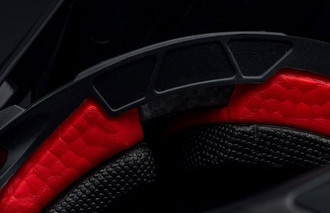
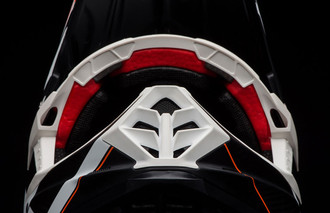
The Moto-9 Flex is the most advanced helmet we’ve ever made, designed to manage linear and rotational energy to the head in certain low, mid, and high-speed impacts. The Moto-9 Flex is quickly setting a new level for rider protection in motocross and off-

MOVING HEAD PROTECTION IN A FORWARD DIRECTION.
THE MOTO-9 FLEX

INTRODUCING PHOTOCHROMIC LENS TECHNOLOGY BY BELL

ENHANCE YOUR RIDE

INDUSTRY-LEADING OPTICAL PERFORMANCE IN CHANGING LIGHT
ProTint Panovision® shields are rated Class 1 when clear and fully activated by UV light.
 CONSTANTLY ADAPTS TO CHANGING LIGHT
SEAMLESS ACTIVATION WHEN RIDING
PROTINT PANOVISION CLASS 1 OPTICS ARE COMPATIBLE WITH:
PRO STAR FLEX
RACE STAR FLEX
STAR MIPS
SRT MODULAR
BELL STAR
A REVOLUTION IN HEAD PROTECTION
- LEGACY
-
PURPOSE-BUILT PERFORMANCE
Since its introduction back in 1967, the Bell Star has long represented the standard in head protection. Revered as the first full-face helmet on the market, the Bell Star inspired an industry to pursue the science of head protection. That obsession with helmet innovation continues today.
- INNOVATION
-
GAME CHANGER
The Bell Star Series


- CORE TECHNOLOGIES
-

- HELMETS
-


- ProFIT
-


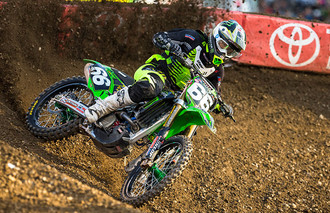
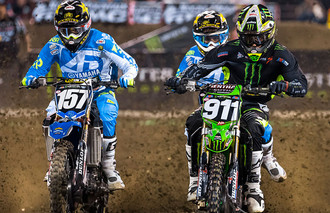
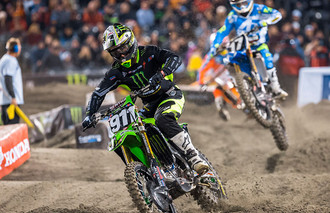
FIELD TESTED AND DEVELOPED. CHAMPIONSHIP PROVEN
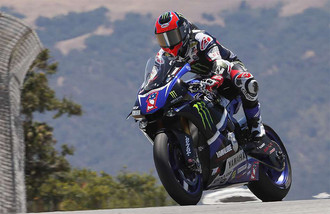
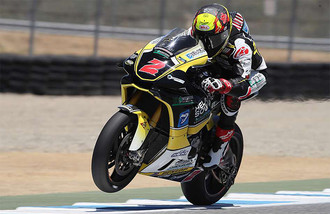
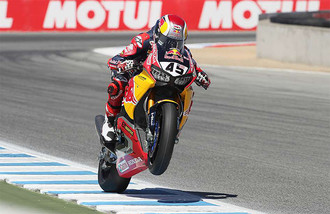
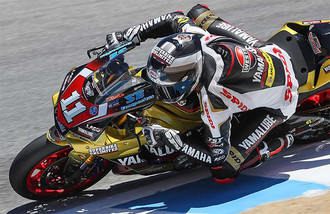
Working with professional riders on the track is the best way to understand challenges and generate solutions quickly.

MIPS Brain Protection System
SCIENCE IN MOTION
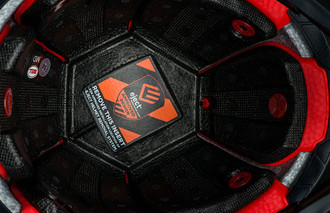
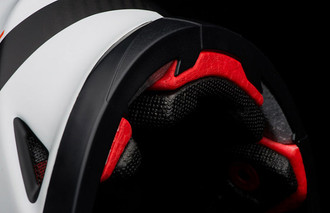
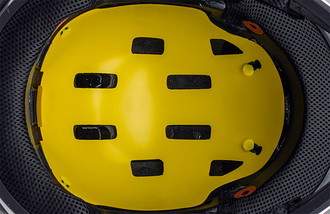
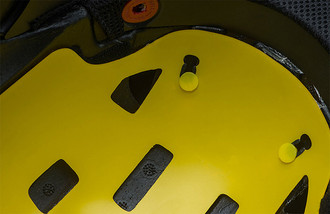
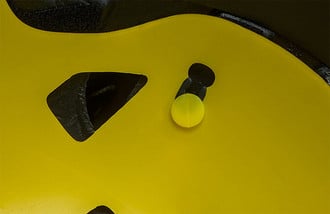
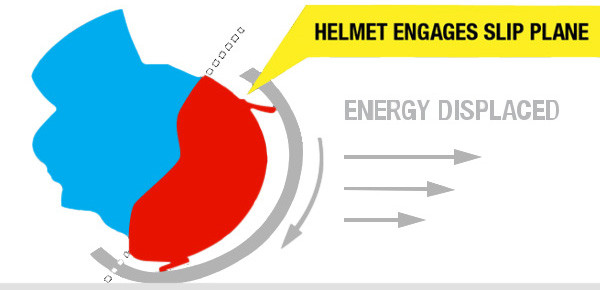
MIPS, or Multi-Directional Impact Protection System, uses a slip plane designed to manage energy from rotational and angular impact.
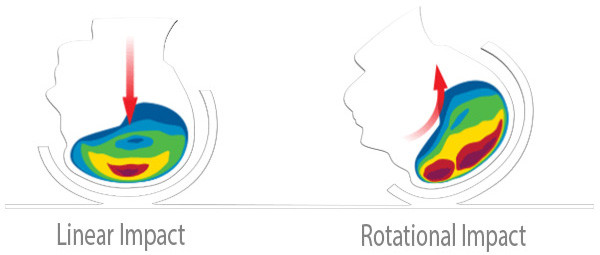
NO TWO IMPACTS ARE ALIKE
WHY IT’S IMPORTANT
When a head rotates quickly and comes to a sudden stop, the rotational acceleration can cause the brain tissue to experience high levels of strain. The stretching of the tissue that can be caused by these motions can result in various types of brain injury. We believe that helmets equipped with MIPS technology can provide an additional measure of protection in certain impacts.
ADDRESSING ROTATIONAL ENERGY
HOW IT WORKS
MIPS uses a slip-plane system that moves inside the helmet, mimicking the brain’s own protection system. This layer is designed to rotate inside the helmet with the intent to potentially slow or reduce the amount of energy transferred to or from the head. Science tells us that if we can reduce the strains associated with rotational acceleration, we might reduce the risk and severity of brain injury.
TIME IS EVERYTHING
For the past 60 years and counting, Bell engineers have researched the forces involved in crashes across a wide range of scenarios. Recent findings have concluded that brain injury received during an angular impact can be much more severe, due to higher strain on the brain’s tissue. MIPS addresses this strain by allowing the head to slide independent of the helmet for a few milliseconds. This critical moment of time helps to reduce the relative motion of the brain inside the skull, and can potentially reduce strain to the brain caused by angled impacts.

THE MINDS BEHIND MIPS
In 1996, Swedish neurosurgeon Hans von Holst began to study helmet construction. He partnered with Peter Halldin, researcher at the Royal Institute of Technology, with a goal to contribute to the evolution of helmet technology. As a result, the company, MIPS AB was founded in 2001 by Hans, Peter and 3 other specialists in the biomechanical field from the Royal Institute of Technology (KTH) in Stockholm, Sweden.
The company has extensive technological and medical expertise focused on head injuries. They also conduct studies involving injury prediction and the simulation of head and neck injuries using advanced data methods. MIPS AB has extensive and profound knowledge concerning head and neck injuries, a result of 20 years' experience in the area.
DESIGNED TO REDUCE AND REDIRECT ROTATIONAL MOTION FROM ANGULAR IMPACTS
BRINGING INNOVATIVE SAFETY TECHNOLOGIES TO THE MASSES
THE COLLECTION
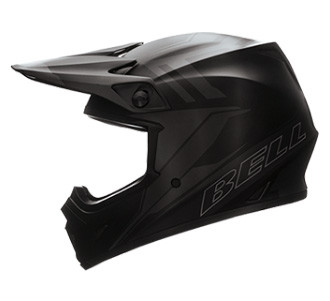
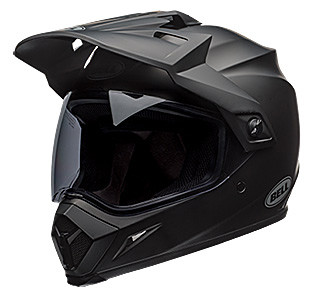
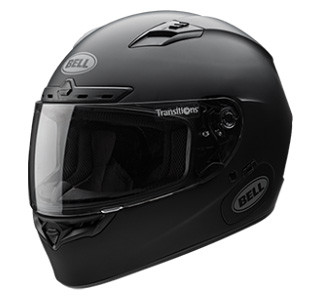
In 2014, Bell introduced MIPS technology into its bike helmet product line. For 2017, Bell is proud to announce the availability of MIPS in 3 tried-and-true powersports helmets. Representing unique riding styles, the MX-9, MX-9 Adventure, and the Qualifier DLX are ready for the journey ahead.