Powersports Brake Pads
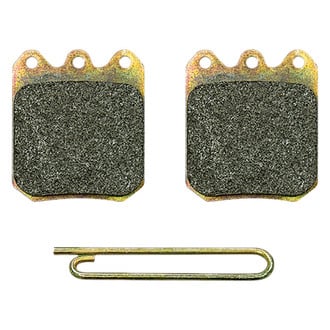
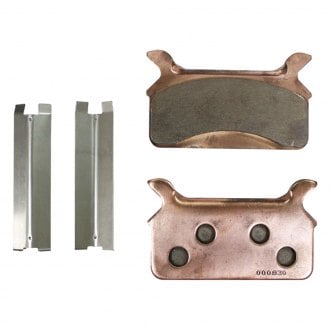
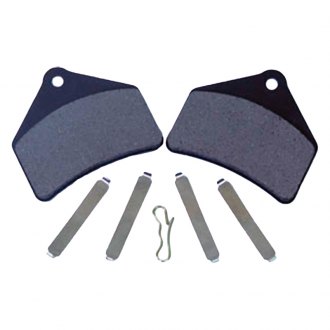
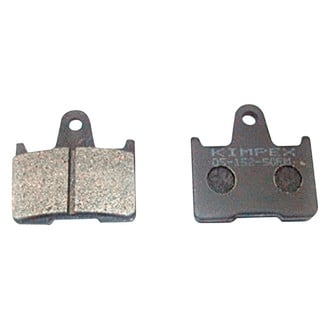
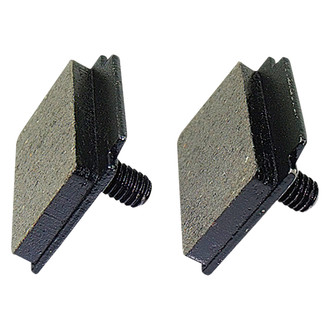
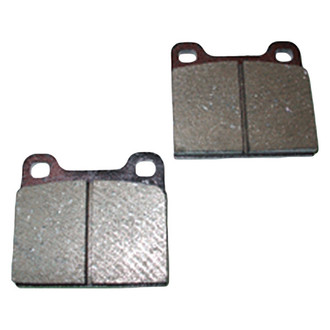
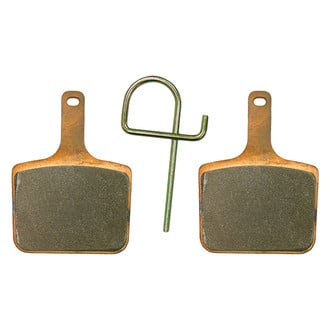
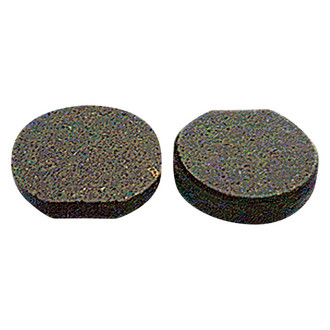
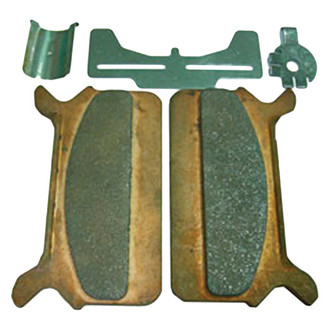
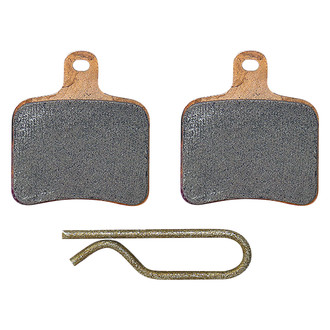
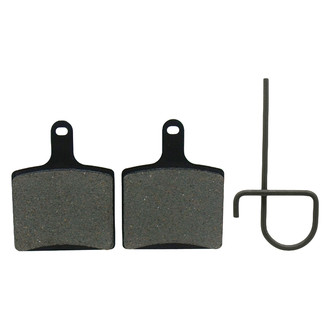
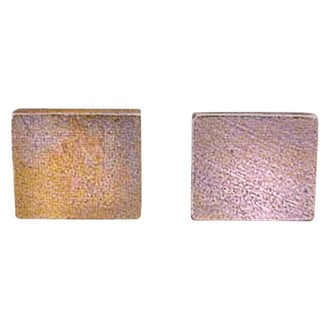
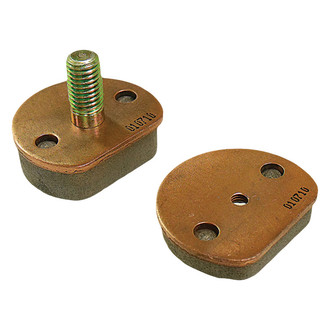
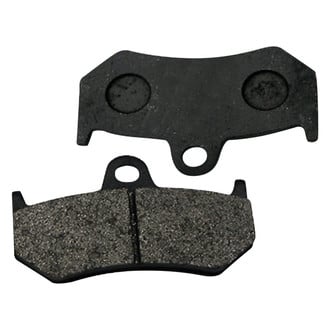
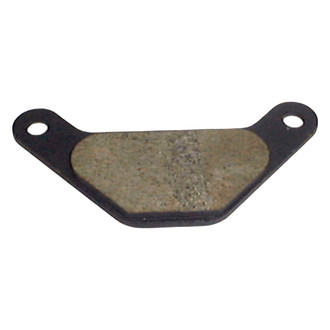
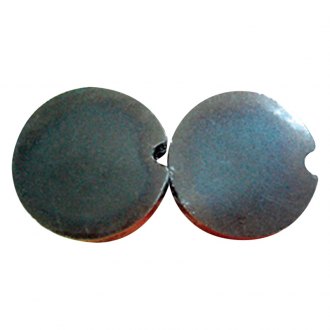
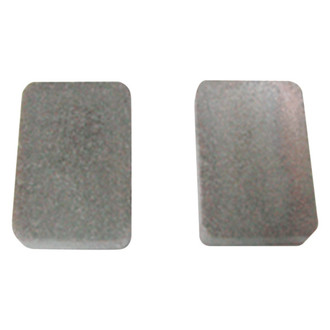
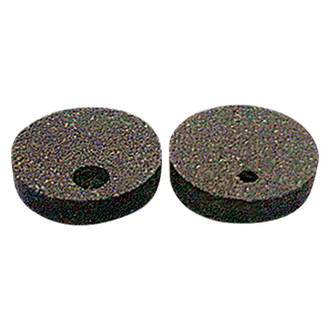
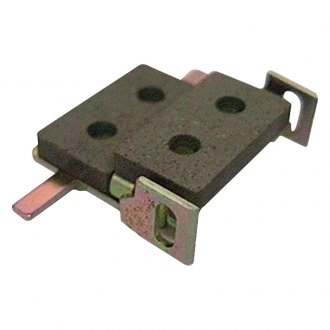
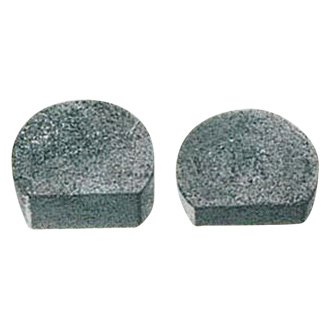

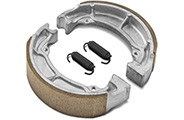
When something suddenly appears in front of your powersports vehicle, the only thing you can rely on to avoid collision is your brakes. The friction created when your brake pads come in contact with the rotors causes your vehicle to slow down. The amount of friction depends on the quality and performance of your brake pads. That’s why it is very important to equip your four-wheeler with the right brake pads and ensure their proper maintenance to feel safe and sound. On our website, you’ll find the widest variety of the most reliable brake pads from world-renowned brands in the industry.
There are several types of powersports brake pads, such as semi-metallic, ceramic, sintered, non-asbestos organic and more. Semi-metallic brake pads are the most common type of pads available on the market. They are widely used in different powersports vehicles, providing a good blend of longevity and noise-free operation. Semi-metallic pads are made with different materials, including metal (from 30% up to 60%), graphite or copper and some friction modifiers. They have excellent heat transfer capabilities and last longer than some other types of brake pads, which makes them an ideal solution for moderate applications.
Sintered brake pads provide great stopping power, perfectly handle excessive heat, and usually last longer than most semi-metallic and organic pads. At the same time, they can make some noise and be really loud, especially when riding in wet weather conditions. However, when you are conquering tough terrain on your ATV or UTV, most likely, noise is the very last thing you will worry about. That’s why if you’re looking for high-performance brake pads at an affordable price for your off-road adventures, beyond a doubt, sintered brake pads are the way to go.
Just as the name says, non-asbestos organic brake pads are made with organic materials, such as fiber, high-temperature rubber, glass and some other fillers. The blend of such materials makes them softer and less noisy compared to semi-metallic brake pads, but, at the same time, they wear out much faster and create a lot of dust. Some organic brake pads are also made with 10-30% of metal. In this case, they are called low-metallic non-asbestos organic brake pads. The low-metallic brake pads provide similar longevity, although, outperform pure organic ones in heat transfer and braking capabilities.
If maximum braking power, unmatched longevity and silent operation are your primary goals, then ceramic brake pads are your product of choice. They are mainly manufactured with ceramic fibers, yet some nonferrous materials and bonding agents are added as well. Ceramic brake pads outperform all other types of pads available on the market; their only drawback is high cost. However, taking into account their performance characteristics and all other benefits they bring to the table, ceramic brake pads are worth every penny. They are widely used by professional drivers in high-performance.