Powersports Bulbs
Browse by Vehicle
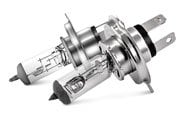
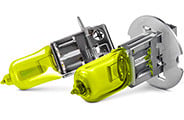
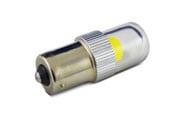
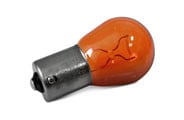
Featured Brands












-
-
-
-

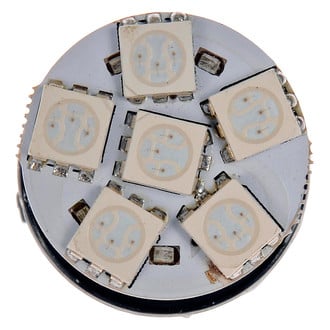
- Dorman® - Ultra-High Brightness LED Bulb (1157, Red) (1157R-HP)$43.66 + Save an extra $1.20 with iD FastTrack
-
-
-
-
-
-
-
-
-
-
-
- Flosser® - Halogen Bulb (194 / T10) (429133)$24.13 + Save an extra $1.10 with iD FastTrack
-
- Flosser® - Halogen Bulb (9004) (38965433)$38.81 + Save an extra $1.80 with iD FastTrack
- Flosser® - Halogen Bulb (9004) (77715958)$23.70 + Save an extra $2.20 with iD FastTrack
-
-
-
- Flosser® - Silverblue Halogen Bulb (H11) (2110335)$24.24 + Save an extra $1.20 with iD FastTrack
-
-
-
-
-
-
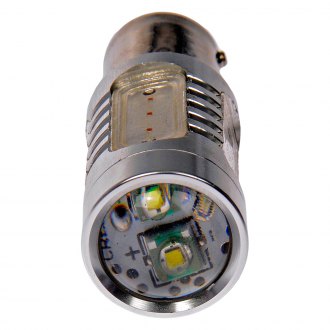
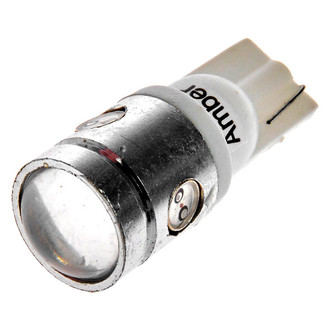
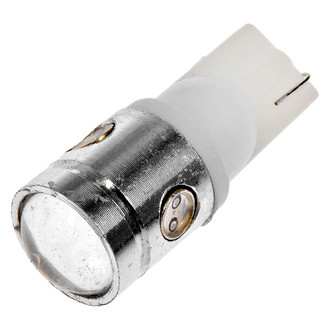
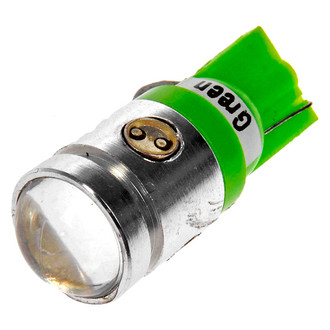
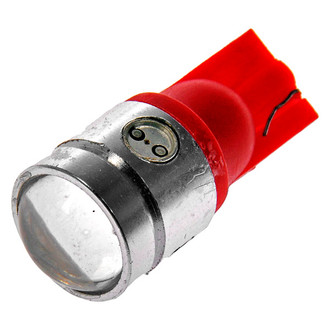
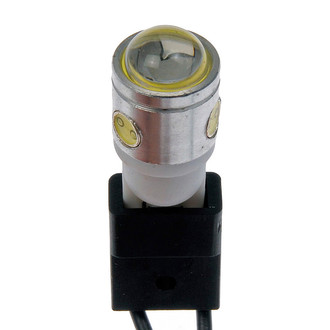
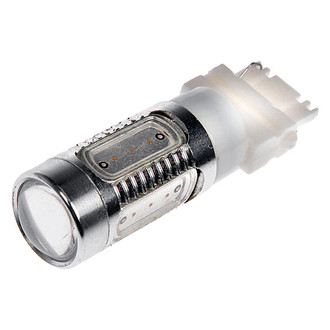
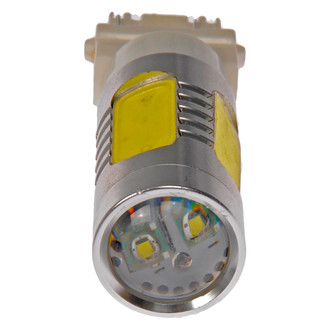
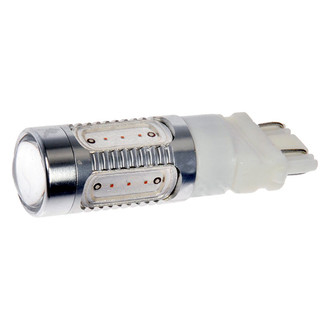
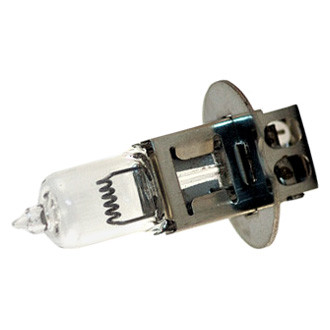
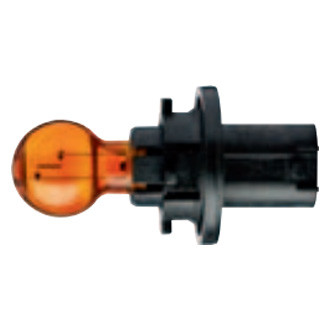
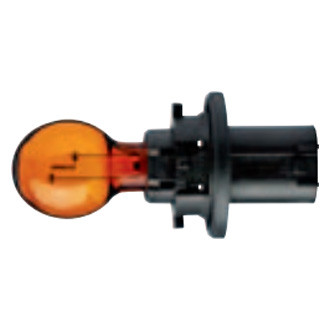
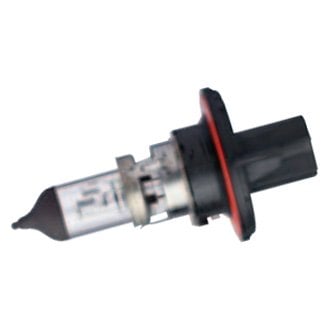
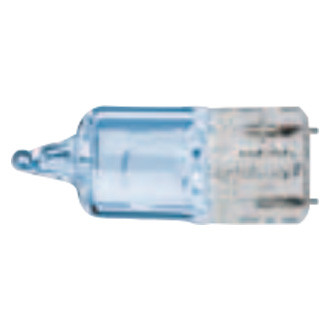
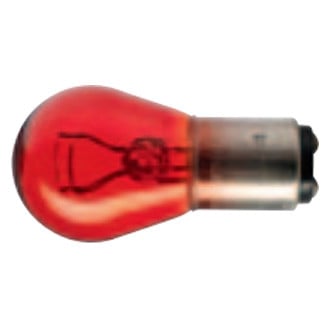
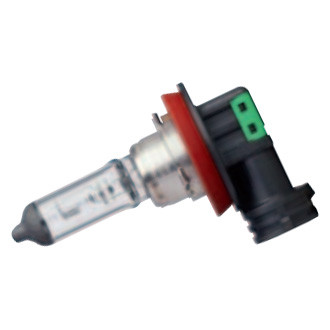
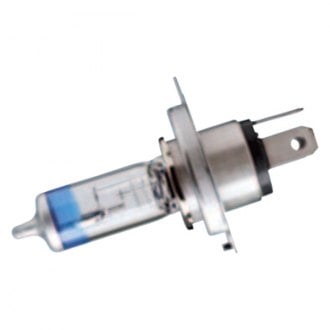
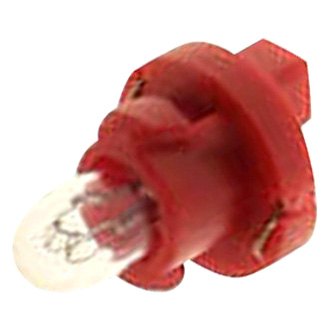
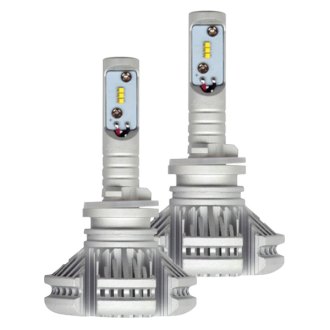
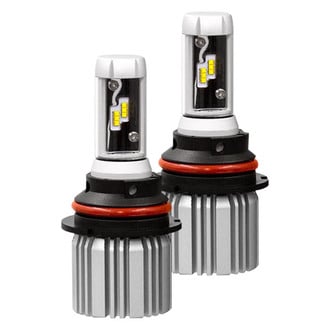
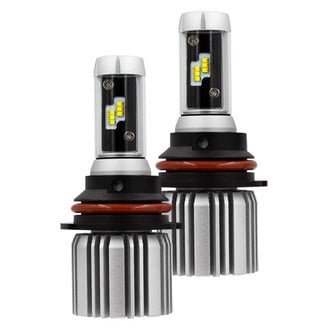
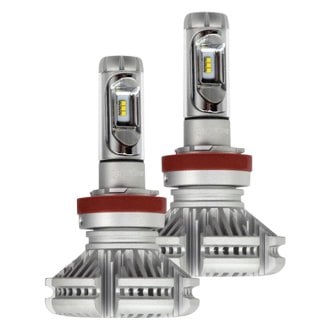
The modern market abounds with light bulbs of different kinds, sizes, and brightness options. All of them can be classified according to the cap base, nominal power, and many other parameters. If you're about to replace the bulbs in your powersports vehicle, first of all, you have to know their type. The most popular bulbs used in passenger cars are H1, H7, H4, H11, and some others. However, those utilized in motorcycles, ATVs, side-by-sides, and snowmobiles often have other specifications because of different requirements to compactness or other reasons.
For instance, many vehicles by Yamaha, Suzuki, and Kawasaki employ H6M bulbs for headlights. Some ATVs by Honda feature H10 bulbs. As for Polaris, many models use the 881 type with an angled socket. The type of your bulbs can be specified in the user manual, but if this information is absent, or if you have any doubts about what kind to install, you can find these specs by simply looking at the back side of your current bulbs or their plastic connectors. As for turn signals and some auxiliary lights, they belong to other categories such as W5W or H6W.
Commonly, halogen lamps of the same power produce approximately the same brightness. Some manufacturers offer alternative ways to improve it and offer special models with increased brightness, however, such performance is usually achieved at the expense of reduced lifespan. As for HID (Xenon) lamps, they are undoubtedly brighter than halogen ones but have their own standards such as D2S, D4R, D4S, and so on. Also, they don't work without a special ballast module. Meanwhile, arguably the main question asked by the owners of powersports and other vehicles is not about the base standards but about switching to LED bulbs.
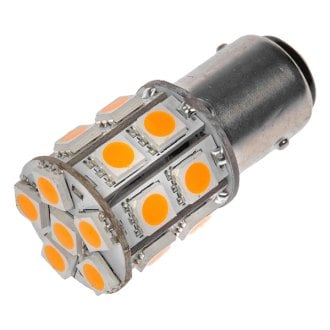
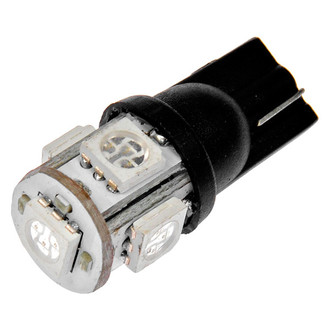
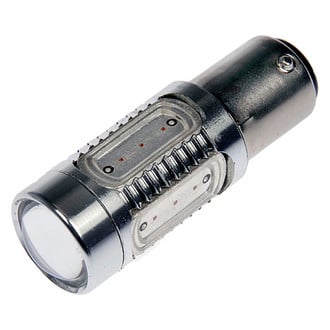
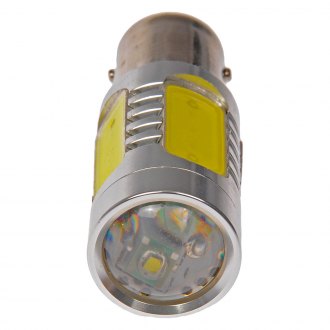
The last word in lighting equipment, these bulbs are renowned for their brightness which is several times higher than their halogen counterparts can give. Yet, LEDs need much less electrical energy, which is undoubtedly good for a battery and electrical system. Also, light emitting diodes are more resistant to vibrations and have a much longer service life. Another advantage is a wide range of available color temperatures. In other words, they can be sharply white without the loss of efficiency, while halogen bulbs emit maximum energy in the yellow part of the spectrum and partly lose their brightness when manufacturers add special coatings to make them whiter.
Now, most LEDs are offered as direct replacements for halogen bulbs of corresponding standards, so no modifications are needed. Technically, such a bulb consists of a diode itself and a special electronic driver powering the diode. The system gets hot, so there is a metal sink to reduce its temperature. Although there are many companies making LED bulbs, the diodes are made by just a few such as Philips, Cree, Osram, and some other large enterprises. The quality of electronics and cooling does matter, so it makes sense to select a reliable manufacturer of LED bulbs if you want them to be effective and durable enough. In our online store, you will find all the abovementioned products of high quality.