Powersports Fuel Filters
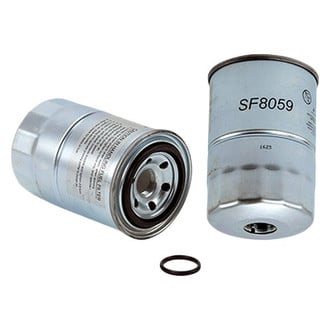
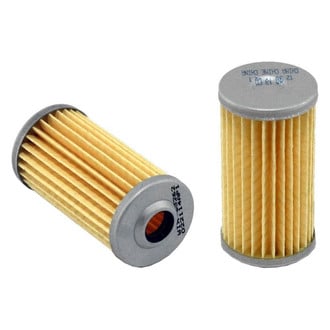
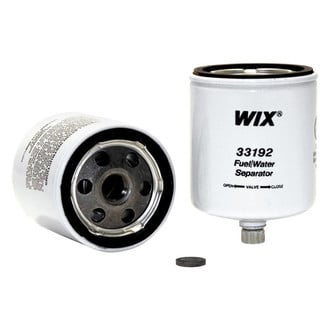
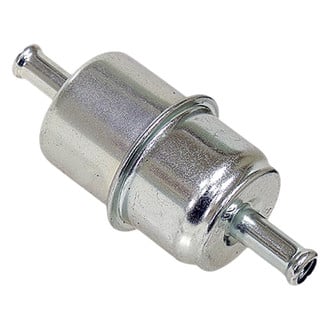
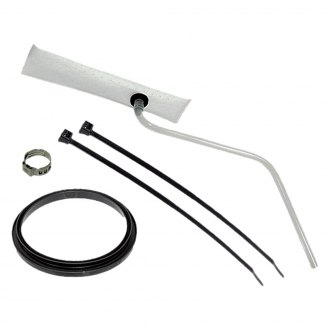
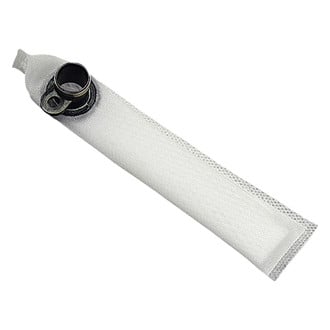
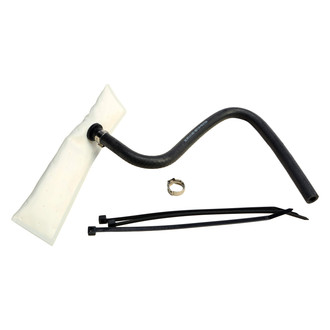
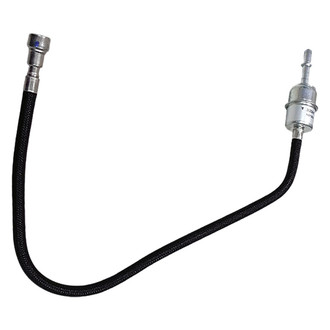
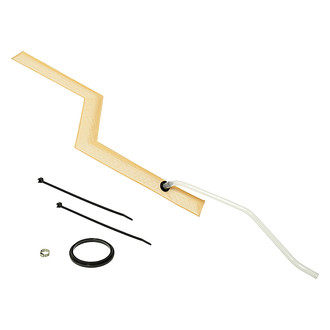
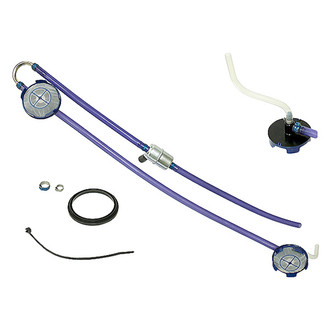

While at first sight, the fuel you purchase at a gas station seems to be absolutely clear, it may contain dirt and rust particles that are not visible to your eyes, yet may cause engine failure if collected in the fuel system for a long time. To prevent them from reaching the engine, your vehicle comes with a fuel filter that stops the particles. A fuel pump strainer, also called a pre-filter, is located inside your gas tank and prevents large particles from getting into the fuel line. It is usually attached directly to the fuel pump, so you need to remove it to replace the filter.
A fuel filter is one of the most underestimated parts of your powersports vehicle. Of course, it does not affect your performance, however, its improper maintenance may cause serious damage to your engine. That’s why it is vital to follow all recommendations provided in your vehicle owner’s manual. Depending on your powersports vehicle, the environment you drive in and your driving style, the lifespan of fuel filters may vary from 7,000 to 60,000 miles. Exceeding recommended maintenance intervals may also cause damage to your fuel pump as it has to work harder to push fuel through a clogged filter.
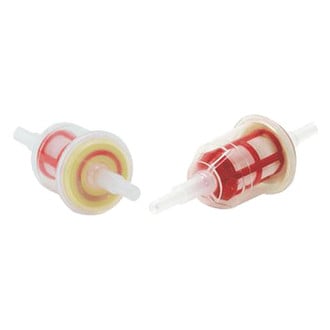
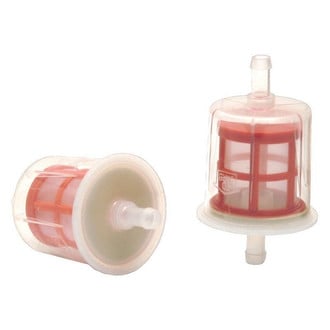
Typically, a fuel filter is located in the fuel line that goes from the tank to the engine. It is usually mounted in an easy-to-reach area under the hood to ensure quick and effortless maintenance. Depending on a vehicle, a fuel filter may differ in size and can be manufactured with different materials, including plastic and metal. Plastic fuel filters usually come with a filtering element made from paper and are intended for carbureted applications, where fuel is delivered to the engine at low pressure, so the filter doesn’t have to withstand extreme forces like in fuel-injected vehicles.
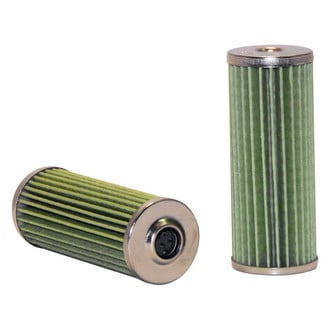
Powersports vehicles equipped with a fuel injection system usually come with a fuel filter with a metal housing. This is done for several reasons. First of all, vehicles with fuel injection come with a high-performance fuel pump that pulls fuel through the filter at a very high speed, which is why they require a fuel filter with a steel housing that is able to withstand high pressure. Another reason is that most fuel lines in a fuel-injected vehicle are made of steel, so metal filters are the right choice since metal to metal connections are more secure.
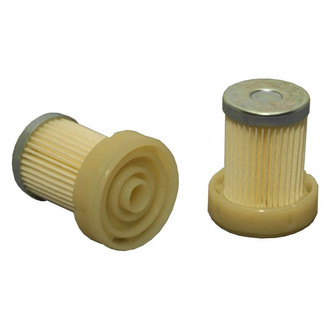
The filtering material of a fuel filter determines its performance and lifespan. Fuel filters found in most carbureted vehicles are made with paper filling, which provides excellent fuel filtration. However, since paper cannot withstand high fuel pressure, most filters in modern-day vehicles are made with metal, nylon and some other types of materials. They usually last longer compared to old-school filters, so they need to be replaced less frequently. However, poor quality fuel and driving in extreme conditions may require you to replace the filter more often to ensure no particles or dirt will get into the engine.
Featured Brands



Related Categories
 Carburetors
- Fuel Injectors
- Fuel Pumps
- Fuel Petcocks
- Nitrous Oxide Systems
- Fuel Sensors
- Fuel Lines & Hoses
- Carburetor Rebuild Kits
- Carburetor Jets & Needles
- Fuel System Mounts & Hardware
- Intake Manifolds
- Fuel Management Systems
- Exhaust Oxygen Sensors
- Gasoline Packs
- Fuel System Tools
- Gas Tanks
- Fuel Additives
- Throttle Bodies