Powersports Clutches

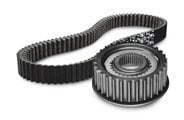
The vast majority of modern UTVs, ATVs, and snowmobiles are equipped with continuously variable transmissions (CVTs) designed to automatically change the speed ratio between the engine crankshaft and the drive wheels for more efficient use of engine power in different driving conditions. The main components of a typical CVT are a V-shaped belt and driving and driven pulleys each of which consists of two cones facing one another. These cones, which are also called primary and secondary clutches, are pushed together or spread apart to change the size of the belt loop around them which changes transmission ratio depending on vehicle speed, load, and engine RPM.
There are stationary and movable sheaves in each of the pulleys. One stationary sheave is connected to the crankshaft, the other one – to the input shaft of the transfer case or transaxle. The position of a movable sheave of a primary pulley is determined by a clutch assembly which consists of the arrangement of flyweights that react to centrifugal force. The higher the rotational speed, the more fully the clutch is engaged, and the cones on the primary pulley are pushed together tightening the belt. On lower RPMs, the secondary clutch keeps the cones of the driven pulley closed.
The secondary clutch consists of a compression spring and helix, a component sensitive to compression. The helix features two or three helical surfaces for rollers attached to the clutch shaft. When the belt is tightened on the primary pulley, it forces cones on the secondary pulley to spread shifting the CVT to a lower ratio and accelerate the vehicle. When the driver lets go of the throttle, cones on the primary pulley start spreading thus reducing the tension of the belt. The compression spring in the secondary clutch forces its cones closer together reducing the speed of the vehicle.
In the case of starting or accelerating under higher load, the helix detects the increase in torque preventing the secondary pulley from shifting to a higher drive ratio thus transferring more torque to the drive wheels. When the load is reduced, the CVT upshifts. In our online store, you can find a wide variety of powersports clutches and kits that you can use to fine-tune your continuously variable transmission so that it can perform at its best depending on your application. These kits include flyweights of different mass, springs of different strengths, and helix components featuring differently angled surfaces. When properly matched and tuned, these components of CVT work perfectly to achieve the optimal drive ratio.
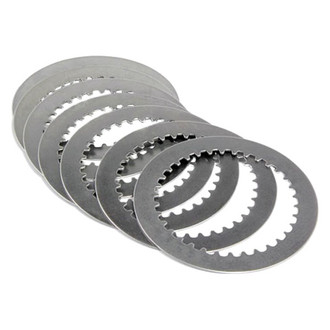
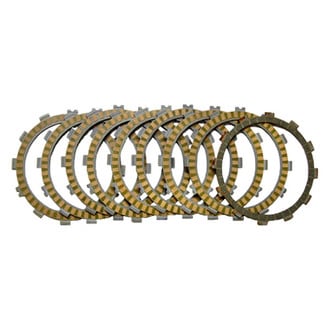
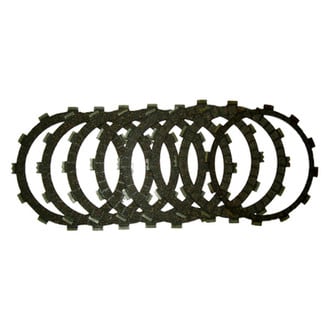
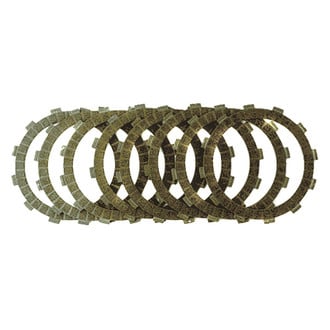
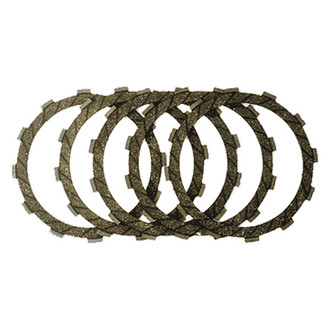
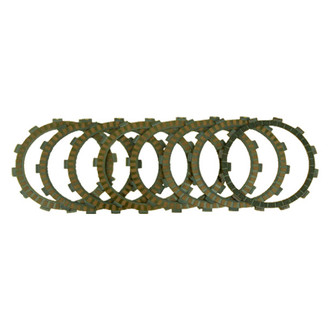
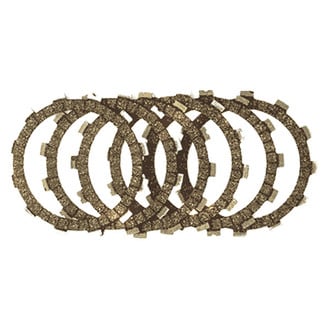
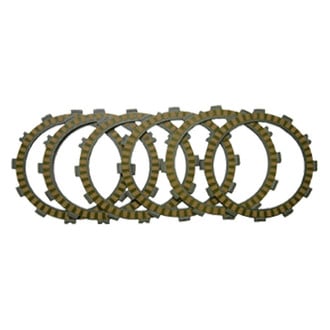
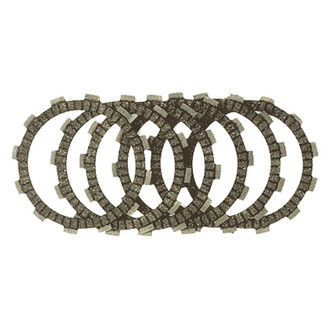
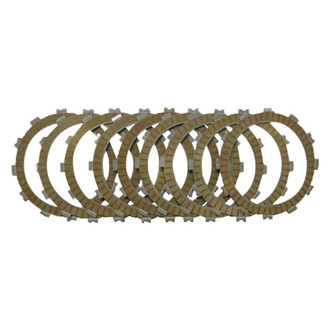
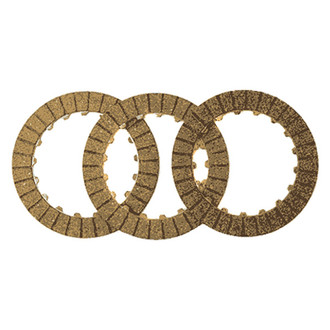
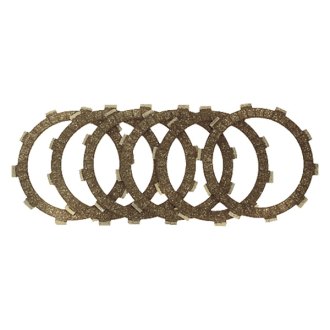
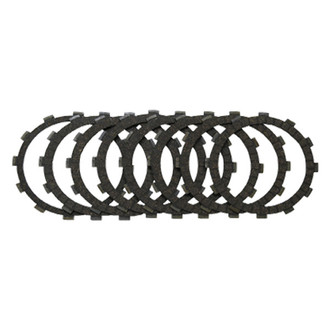
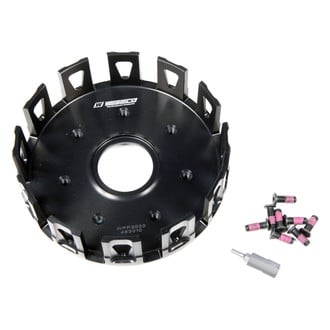
If your vehicle is equipped with a manual transmission, the crankshaft is linked to the gearbox input shaft through a motorcycle-style clutch pack. This mechanical assembly allows the rider to engage and disengage the coupling between the engine and driveline by pushing a lever on the handlebar or stepping on a pedal to achieve smooth starts and gear shifting. The mechanical powersports clutch pack consists of a number of splined rings: friction plates alternating with steel clutch plates. The friction plates, inserted into the outer basket, are connected to the crank. Steel plates rotate with the inner hub sitting on the transmission input shaft. The pressure plate forced by clutch springs packs the whole assembly together so that it could rotate as one. When the rider pushes the clutch lever, the springs are compressed to reduce the force applied to the pressure plate allowing clutch and friction disks to rotate separately.
Featured Brands







Related Categories
 Drive Chains
- Sprockets
- Drive Belts & Pulleys
- Transmissions & Components
- Variators
- Driveshaft
- Axles & Accessories
- Reduction & Differential Gear
- CV Joints & Boots
- U-Joints
- Chain Guide, Protection & Sliders
- Transmission Covers
- Transmission Gaskets, Seals & Bushings
- Drivetrain & Transmission Bearings
- Drivetrain & Transmission Mounts
- Chain Lubes & Cleaners
- Transmission Fluids & Oils
- Gear Oils
- Greases
- Drivetrain & Transmission Tools